Bodies and Souls
—Luis Cruz Azaceta
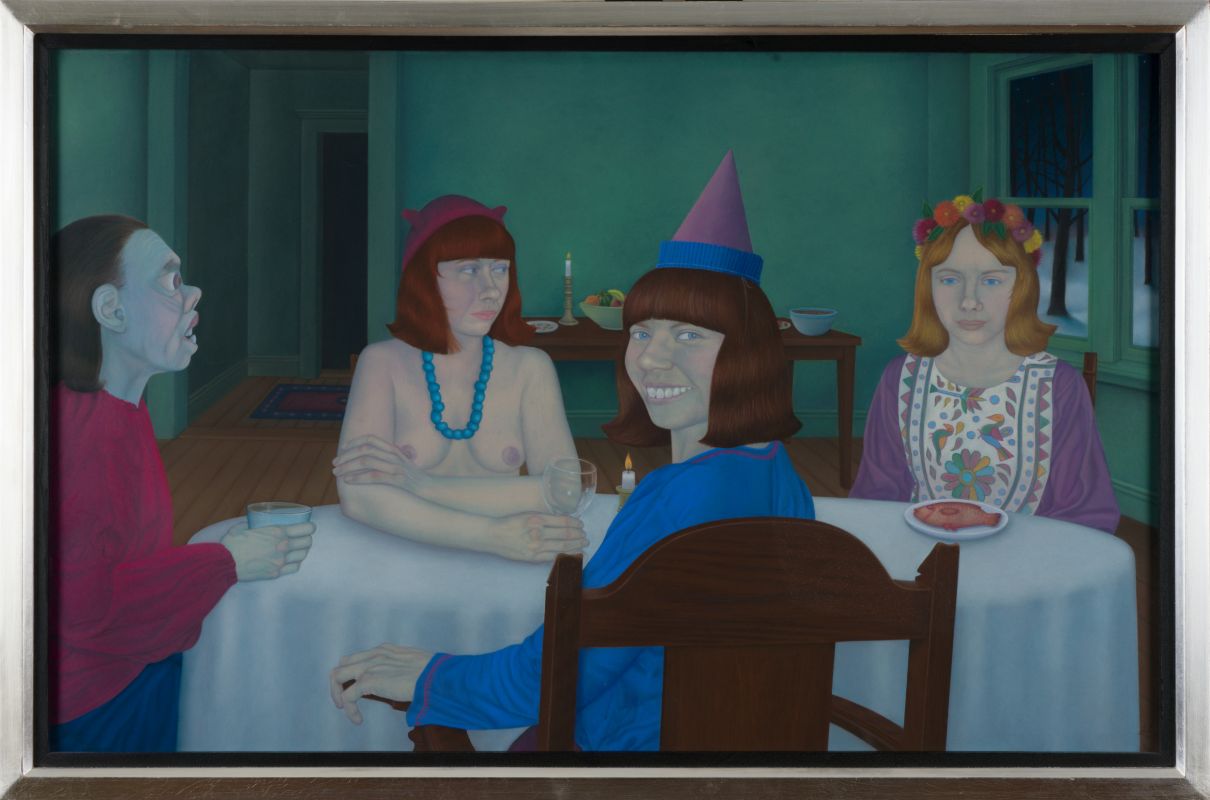
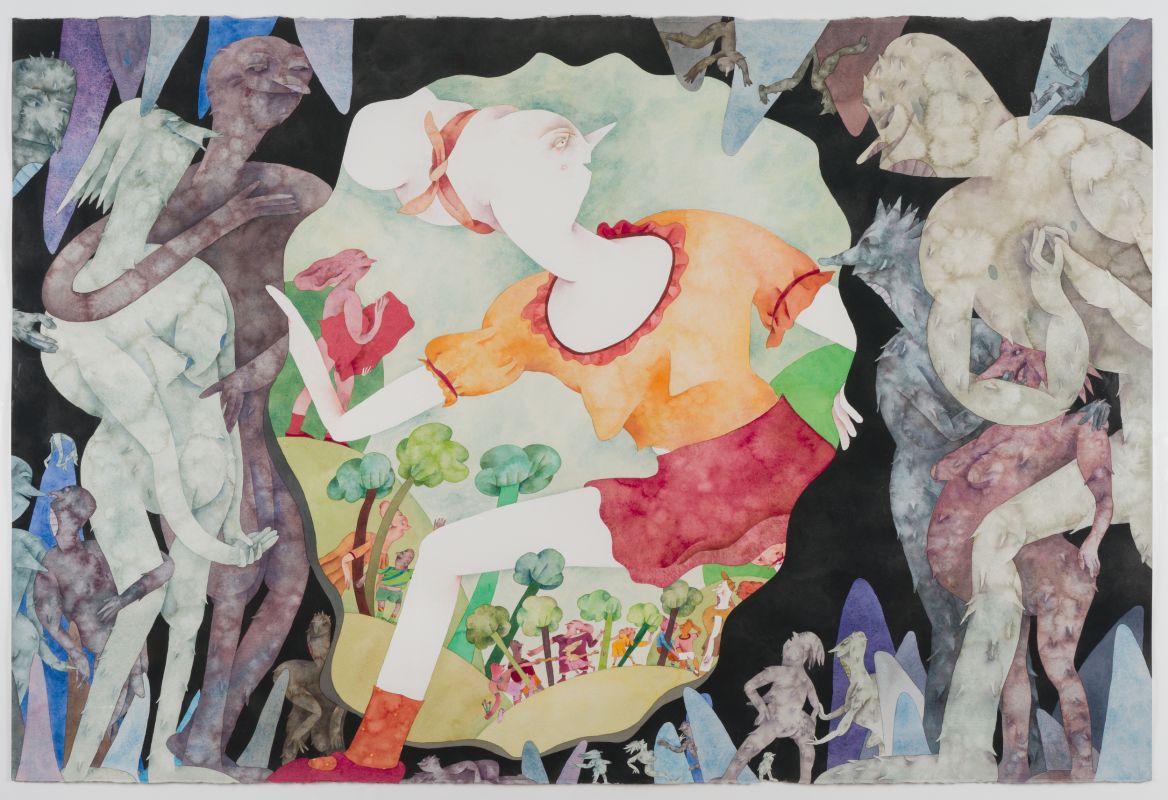
Bodies and Souls examines the liberatory power of figurative art. Though often treated as conservative in the second half of the 20th century, artists used representational and realist methods to assert presence for those omitted from dominant narratives or harmfully depicted by those outside their communities. Realism and representation remain powerful means to show embodied human experience, encompassing gender, sexuality, interpersonal relationships, psychological states, and connections to home.
These methods can help us imagine the world we want to live in. Representational art has been critical for artists who want to make themselves and their communities visible on their own terms. It provides the agency to see and be seen, to show relationships, pleasure, and autonomy. Representing ourselves is a powerful means of celebrating our full humanity.
This is the throughline of an eclectic collection formed by Philadelphians Robert and Frances Coulborn Kohler. Bodies and Souls celebrates their devotion to artists and immense generosity towards PAFA. Featuring over 120 works given and promised to the museum, the exhibition will examine prominent themes in the collection, integrating artists who are often seen independently or as part of regional communities.
Bodies and Souls is presented concurrently with an exhibition of the same title featuring the Kohlers' personal collection at Woodmere, Charles Knox Smith Hall, 9201 Germantown Ave. Bodies & Souls – Woodmere.
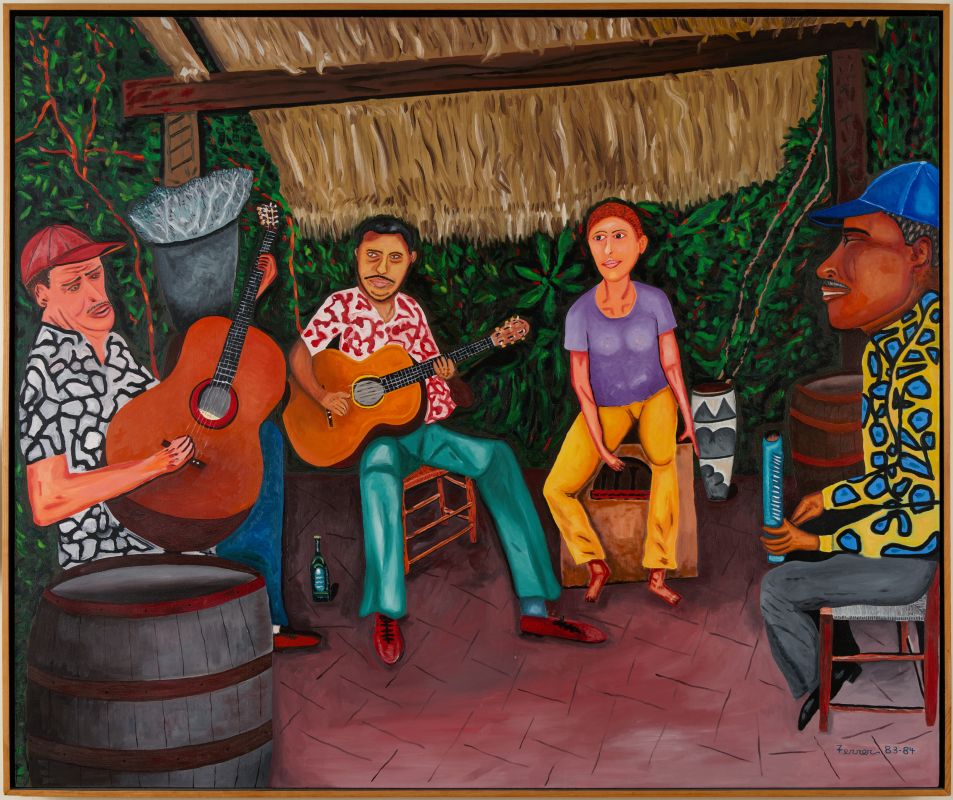
Featured Artwork: Rafael Ferrer (born 1933) El Bolero, 1983–84. Oil on canvas; 60 × 72 in. © Rafael Ferrer, courtesy of the artist
The exhibition will include works by Robert Arneson, Luis Cruz Azaceta, Joan Brown, Roy DeForest, Rafael Ferrer, Viola Frey, Gregory Gillespie, Juan Gonzalez, Red Grooms, Anne Minich, Gladys Nilsson, Ed Paschke, Christina Ramberg, Winfred Rembert, Tabitha Vevers, John Wilde, Didier William, Karl Wirsum, and many others.
Artwork (Selects)
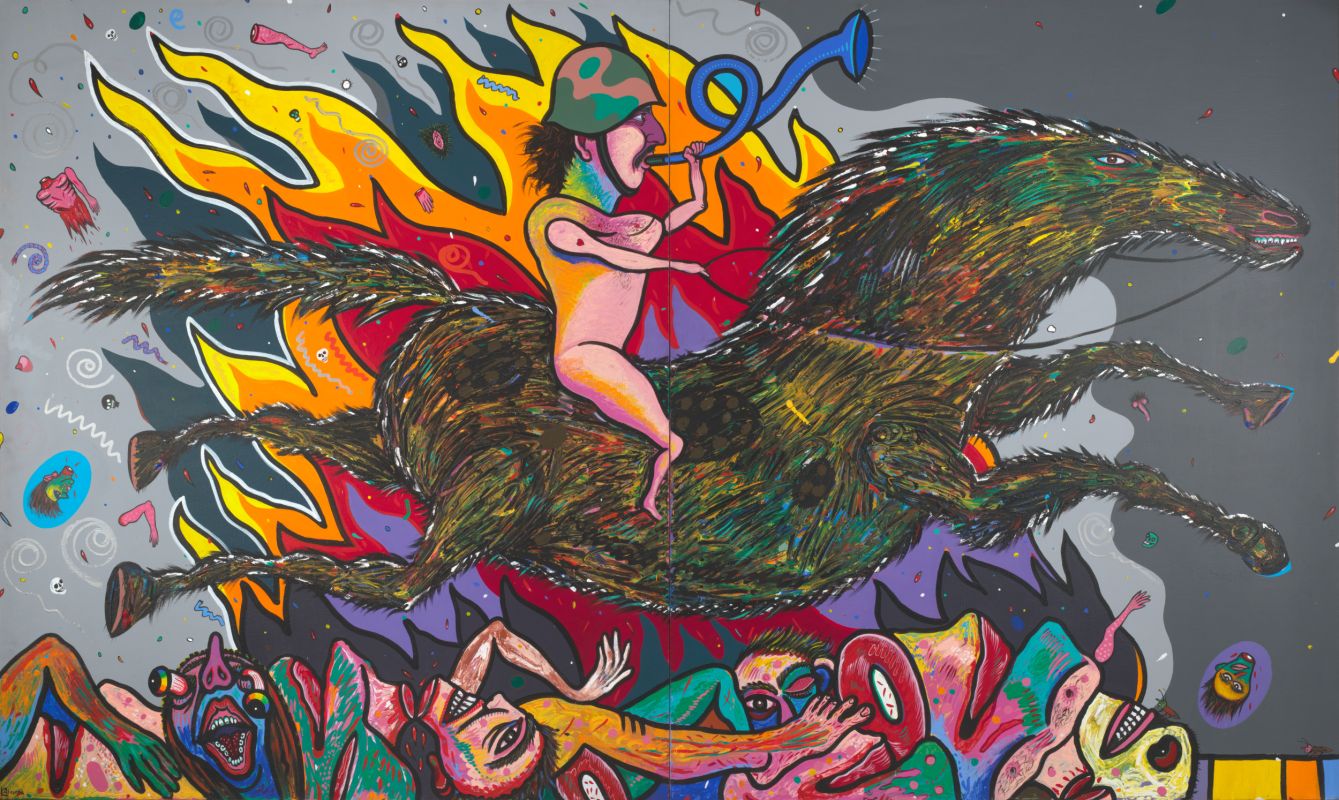
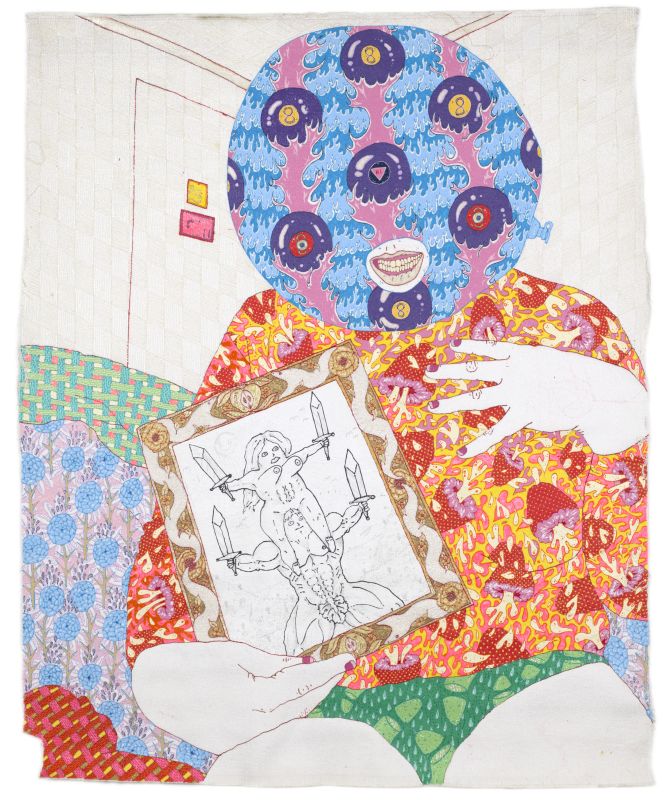
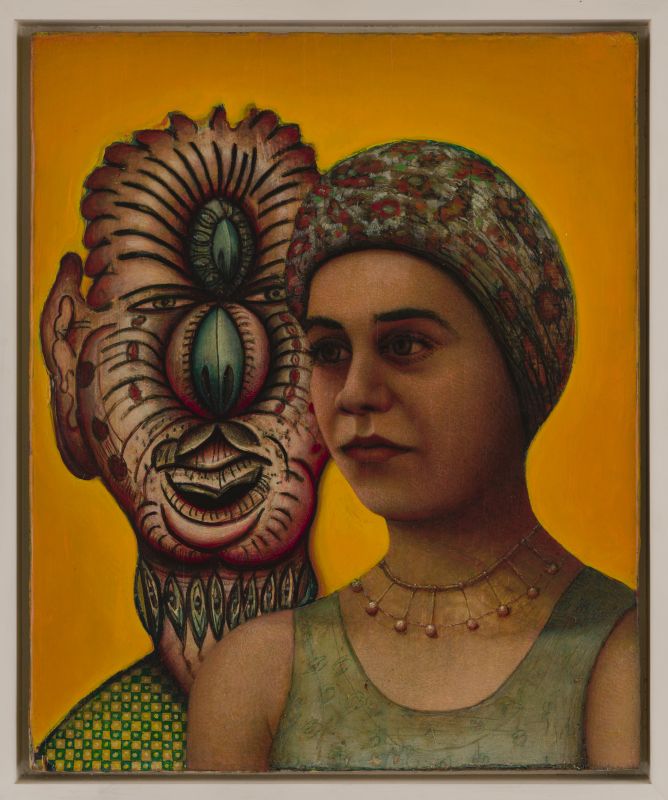


About the Kohlers & their Collection
The Kohlers began collecting with purpose after seeing Contemporary American Realism Since 1960 at PAFA in 1981. The range of figurative work in that exhibition led them to explore a wider range of that genre among living artists in the 1980s-2010s. They followed their gut but also paid attention to the advice of dealer Allan Frumkin who told them to “buy the toughest work you can stand.” That struck a chord with the Kohlers and led them to focus on artists who made figuration relevant to their inner and social lives.
In turns irreverent, hilarious, sensual, vulnerable, expressive of dreams and of trauma, the work reflects the full range of human experience—all the messy and multilayered conditions of being in a body. Many makers in the Kohler collection acknowledge the existence of the unseen, the alien, the frightening, that which is below the surface, out of reach, just beyond the light. The collection often favors artists unafraid to enter darkness and the unknown in order to reveal a deeper truth.
The Kohler collection also provides a way to see how artists interact with a network of friends, colleagues, and others who provide support throughout their lives. Networks of artists active in Chicago, Philadelphia, San Francisco, and western Massachusetts are prominent in the collection, but they overlap and reveal mutual interests. Understanding the relationships between artists, especially groups of artists active in specific communities, tells compelling stories about the values and the character of a place. It is a way to center people rather than style, gets at the heart of what artists care about in a particular moment and place, and brings empathy to bear on what artists depict.
MEDIA / PRESS: Please email marketing@pafa.org for access to a folder of graphics and related information.
Explore More Exhibitions
We're so excited you're planning to visit PAFA!
Make time for art — visit us Thursday to Sunday.
Before reserving your tickets, please review helpful information about museum hours, accessibility, building access, and special admission programs.
If you have any questions, feel free to reach out to us at visitorservices@pafa.org — we’d love to help!