The Art-at-Lunch series of talks on American art and culture take place Wednesdays from 12 noon to 1 p.m. Bring your lunch and enjoy discussions and lectures with scholars and artists covering a variety of topics related to PAFA’s exhibitions, collections, and areas of interest. For more information or to be added to our mailing list, please contact Monica Zimmerman at mzimmerman@pafa.org or 215-972-2105.
Free to everyone. No reservation required.
All lectures take place in Hamilton Auditorium of the Historic Landmark Building.
SPRING 2012
February 1 The Material World of Early Philadelphia
From its beginning as a haven for English Quakers in the colony William Penn founded in 1681, the city of Philadelphia prospered, becoming a leading port in the English Atlantic World and a center of American culture and politics. Richly illustrated with new photography and an array of early American art, George Boudreau’s new book walks its readers through the streets of this august city and the lives of its residents and visitors, exploring the stories of the diverse people - enslaved and free, women and men, rich and poor, patriot and Tory -- who made Philadelphia's unique history.
February 8 Long Live the Figure: The Role of Figuration in 2011
The long tradition of figurative work at PAFA makes it an especially exciting place to examine the role that figuration plays in twenty-first century art. From Bill Viola’s Oceans Without a Shore (2007), a recent addition to the Academy’s collection, to Lisa Yuskavage’s Triptych (2011), a tour de force of figurative-based painting today, Matthew Palczynski explores why the figure continues to magnetically appeal to such a wide variety of artists.
February 15 Clocks, Calendars, and Conversion Charts: Globalization and the Reorganization of Time, 1880-1930
This talk explores how the first modern globalization wave around 1900 profoundly altered notions of time, space, and simultaneity. In 1884, Greenwich Mean Time was adopted as a new universal time standard. Clocks and watches became more affordable and proliferated among ordinary people and as a consequence, new understandings of personal time management, punctuality and time efficiency emerged. Vanessa Ogle, from the University of Pennsvlvania, traces these heated and controversial debates about time to such destinations as France, British India, German colonies in Africa, and trading hubs like the port city of Beirut in present-day Lebanon.
February 22 Moe Brooker: Start to Finish
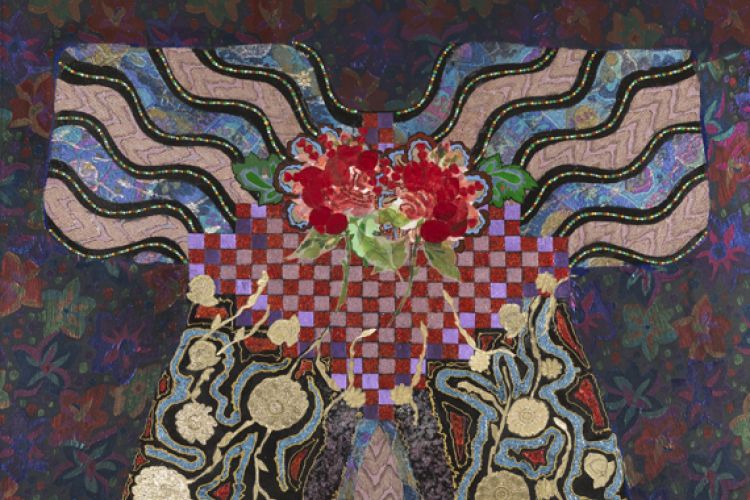
Artist and PAFA faculty member Moe Brooker has been instructing young artists for almost forty years. Brooker’s philosophy of art-making includes the belief that process determines product, focusing specifically on how studio practices and choice of materials determines the types of images that an artist creates. This talk by Brooker, at the same time that an exhibition of his work is on view in PAFA’s Alumni Gallery, highlights his own process of creation and tracks the influences and themes of his lauded career.
February 29 Between Shores: Henry Ossawa Tanner and Transatlanticism
Henry Ossawa Tanner lived a life between two shores of the Atlantic – America and France – and his navigation of these national boundaries deeply affected his art. Tanner pursued his prolific body of religious paintings solely during this time “in between,” never painting a religious scene on American soil, and in this talk, Jeff Richmond-Moll, a Lecturing Fellow at PAFA, discusses how a Transatlantic vision of space and a precedent of “betweenness” in theology can enhance our understanding of the artist’s biblical scenes.
March 7 Spring Break - No Program
March 14 Ensemble: Albert C. Barnes and the Experiment in Education
In advance of the Barnes Foundation moving into downtown Philadelphia, this talk introduces the collecting, display, and educational practices of Albert C. Barnes, who assembled one of the world’s most important holdings of post-impressionist and early modern art. Judith F. Dolkart, Chief Curator of the Barnes Foundation, presents an inside look at the collection of the Barnes Foundation in this illustrated talk.
March 21 Ruth St. Denis: The Woman and the Dance Behind the Painting
As a young woman, the New Jersey-born dancer and choreographer Ruth St. Denis (c.1877-1968) achieved international fame for her beautifully costumed solos, loosely inspired by the cultures of ancient Egypt and Greece. St. Denis later established a successful touring company, a major American dance festival, and influenced countless students—including Martha Graham. Robert Henri’s arresting portrait of St. Denis is the focus of this lunchtime talk by University of the Arts Professor Nancy Heller, examining the broader significance of both St. Denis and Henri’s painting.
March 28 Abraham Lincoln and The Great Central Sanitary Fair
In June of 1864, a collection of fair buildings went up in Philadelphia’s Logan Circle to bring to town the Great Central Fair, a two-week exposition of donated goods and services, artwork, commercial products and curiosities that raised over $1 million for medicine and bandages for Union soldiers. Historian Michael Wunsch brings to life this rousing moment in Philadelphia history, highlighting the acclaimed 1,500 piece art gallery that premiered at the fair as well as President Abraham Lincoln’s historic visit to the festivities.
April 4 Denise Green: An Artist’s Odyssey
Australian-American artist Denise Green’s new book charts the shifting landscape of the New York art scene from 1970 to 2010, mapping out her challenges as an international woman artist in a gallery and museum culture experiencing constant transformation. Released in the U.S. in the spring of 2012, this new book by an esteemed PAFA faculty member provides instruction for any artist imagining a career in the art world as well as a personal account of a life and career lived inside a global art scene.
April 11 City as Spectacle: Visual Illusion and the Early Philadelphia Theater
Before 1811, when PAFA began holding annual exhibitions, theaters doubled as important spaces for the display of art in Philadelphia. Scene painters tantalized audiences with illusions ranging from the shape-shifting effects of pantomimes, to stage-wide panoramas, to transparent paintings of the city itself. Wendy Bellion, Associate Professor of Art History at the University of Delaware, highlights some of these visual spectacles of early Philadelphia theaters in this talk.
April 18 Abject Pop in Chicago
Ray Yoshida (1930-2009) had a profound effect on two generations of artists in and beyond Chicago. His dazzling comics-inspired imagery and his eclectic taste as a collector provided inspiration for artists ranging from Jim Nutt to Chris Ware. A visionary teacher, Yoshida put his ideas into practice through a series of groundbreaking collages he started in 1968 called “comic book specimens.” PAFA recently received a major gift from the Yoshida estate and PAFA's Senior Curator, Robert Cozzolino, will put the work in context by describing the distinctive character of Pop in Chicago art.
April 25 Graduating MFA and Certificate Students
The next generation of great American artists is graduating, and this program will feature the work of several of PAFA’s own. In advance of the Annual Student Exhibition, students will discuss their work and artistic vision, paying special attention to pieces on view in the Samuel M.V. Hamilton Building.